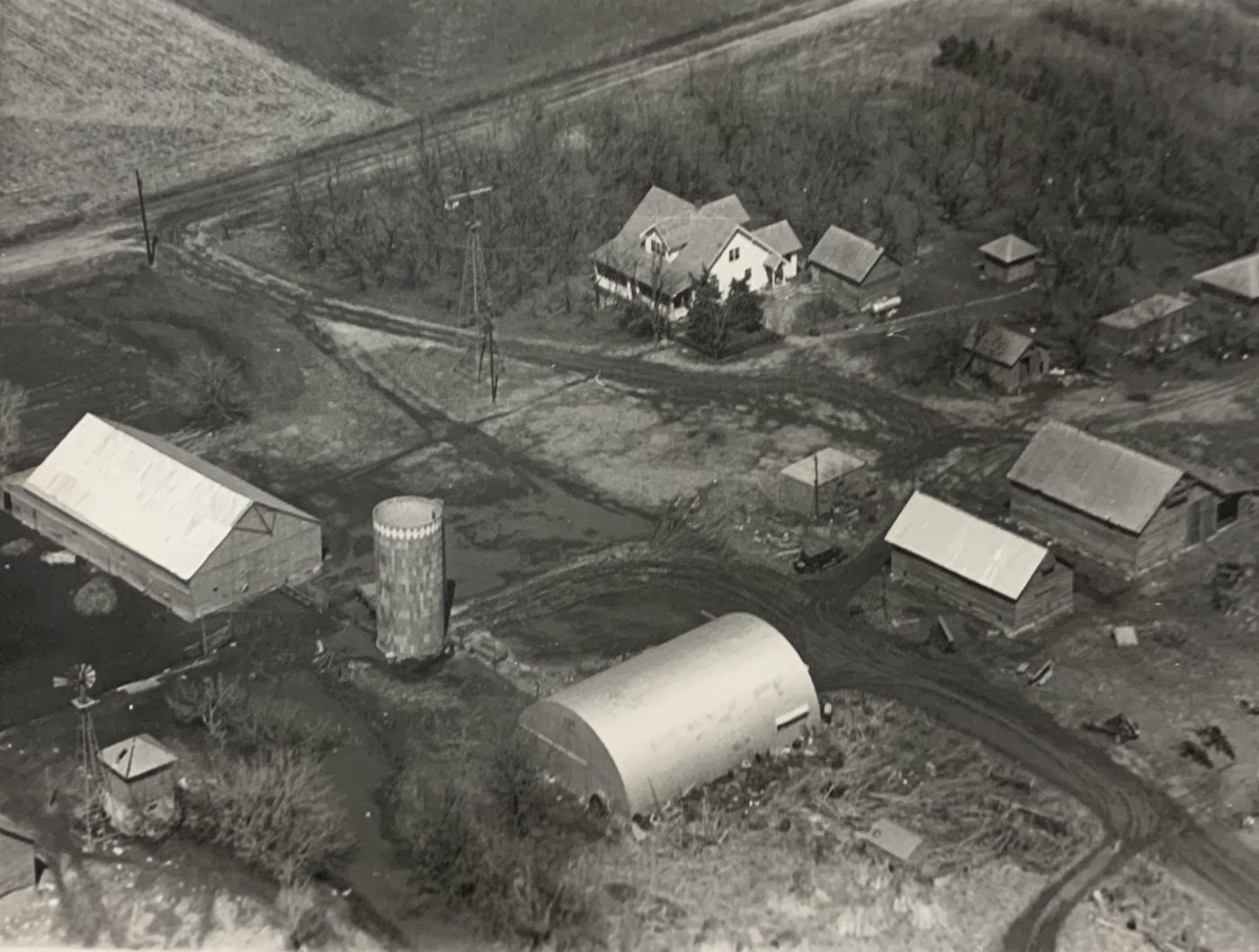
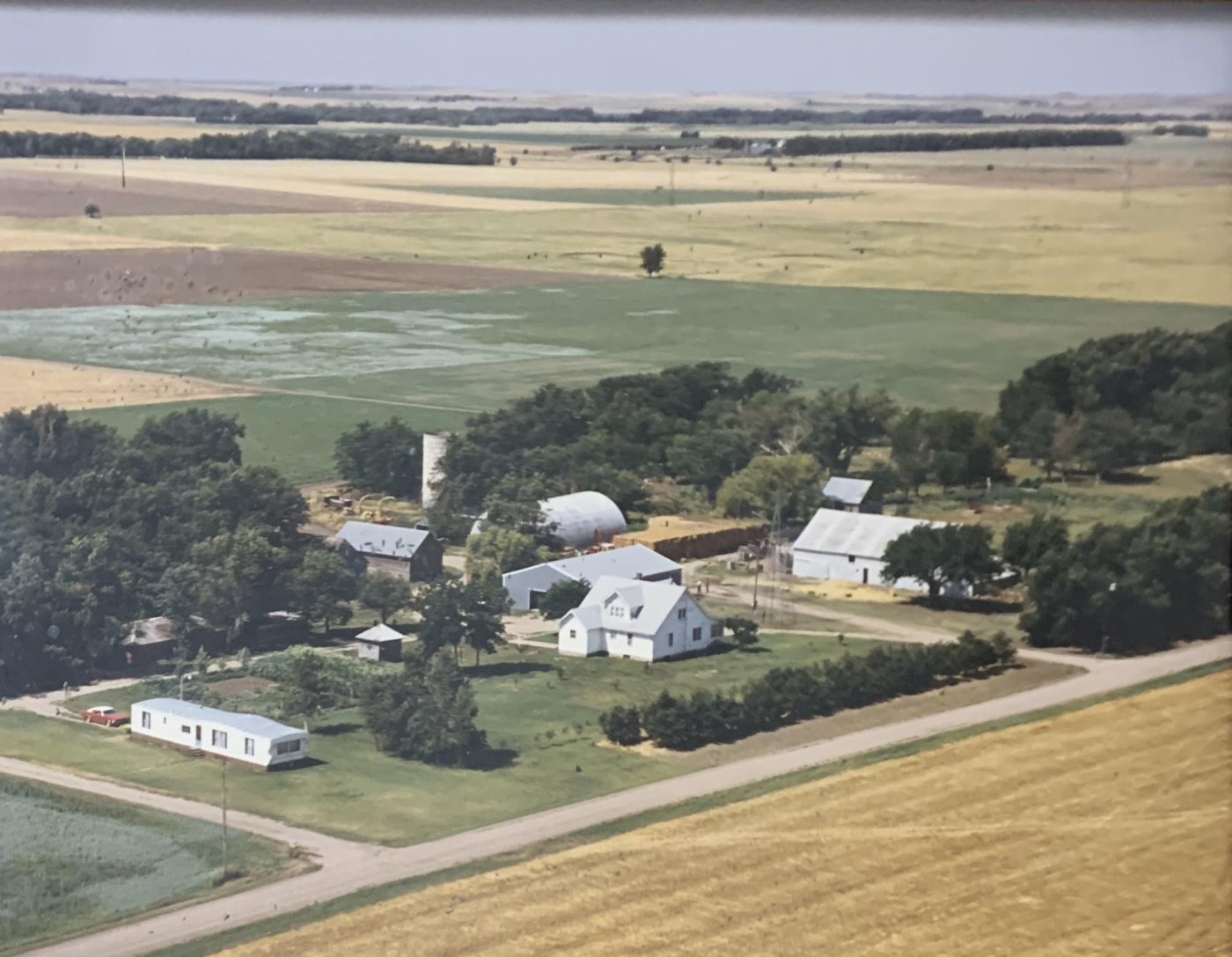
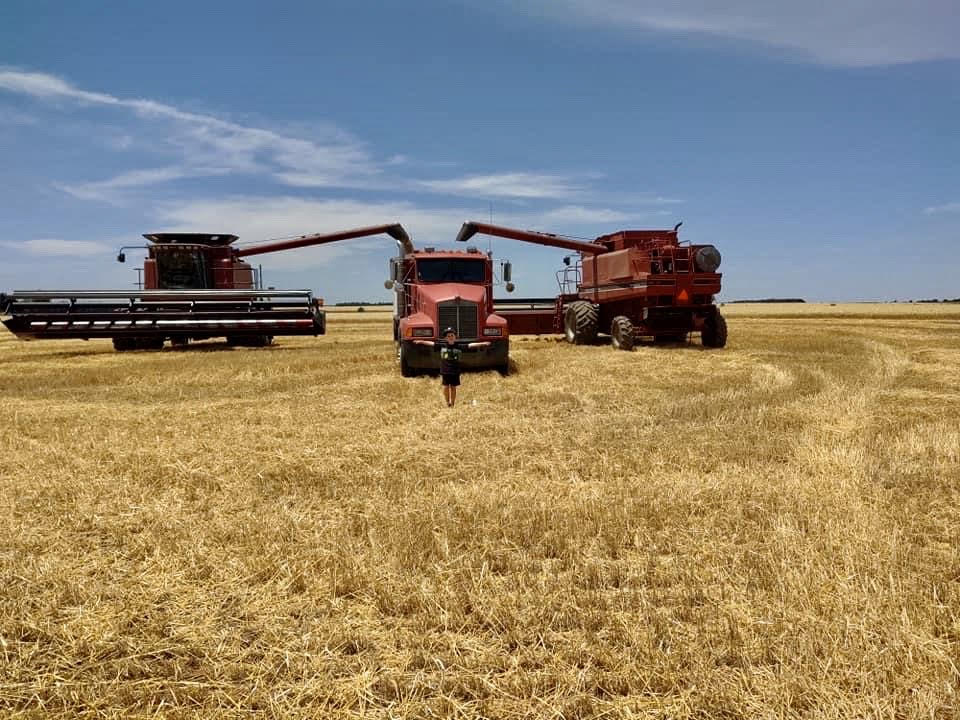
Around 1902, our great-great-grandfather Frank Nordman homesteaded a farm in Barton County, Kansas. It was built to be self-sustaining: a barn for livestock, a chicken coop, a smokehouse for preserving meat, an ice house, and a grainery for storing the wheat harvest.
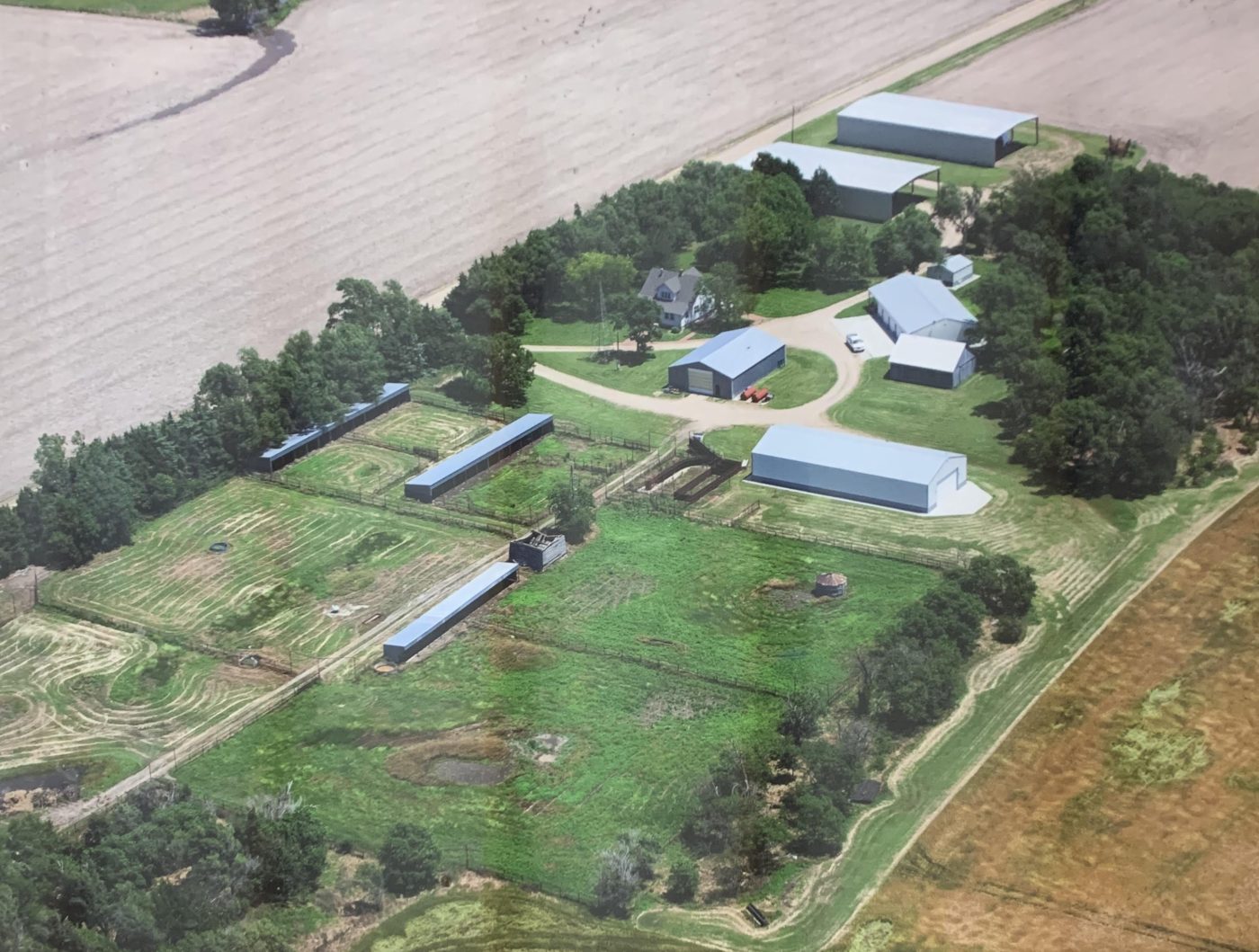
Five generations later, we still farm that land — and in 2020, when grocery shelves went empty and nobody could find locally milled flour, we started grinding our own wheat the way the first millers on the plains did. Friends asked for a bag. Then their friends did. Fyler Farms flour was born.
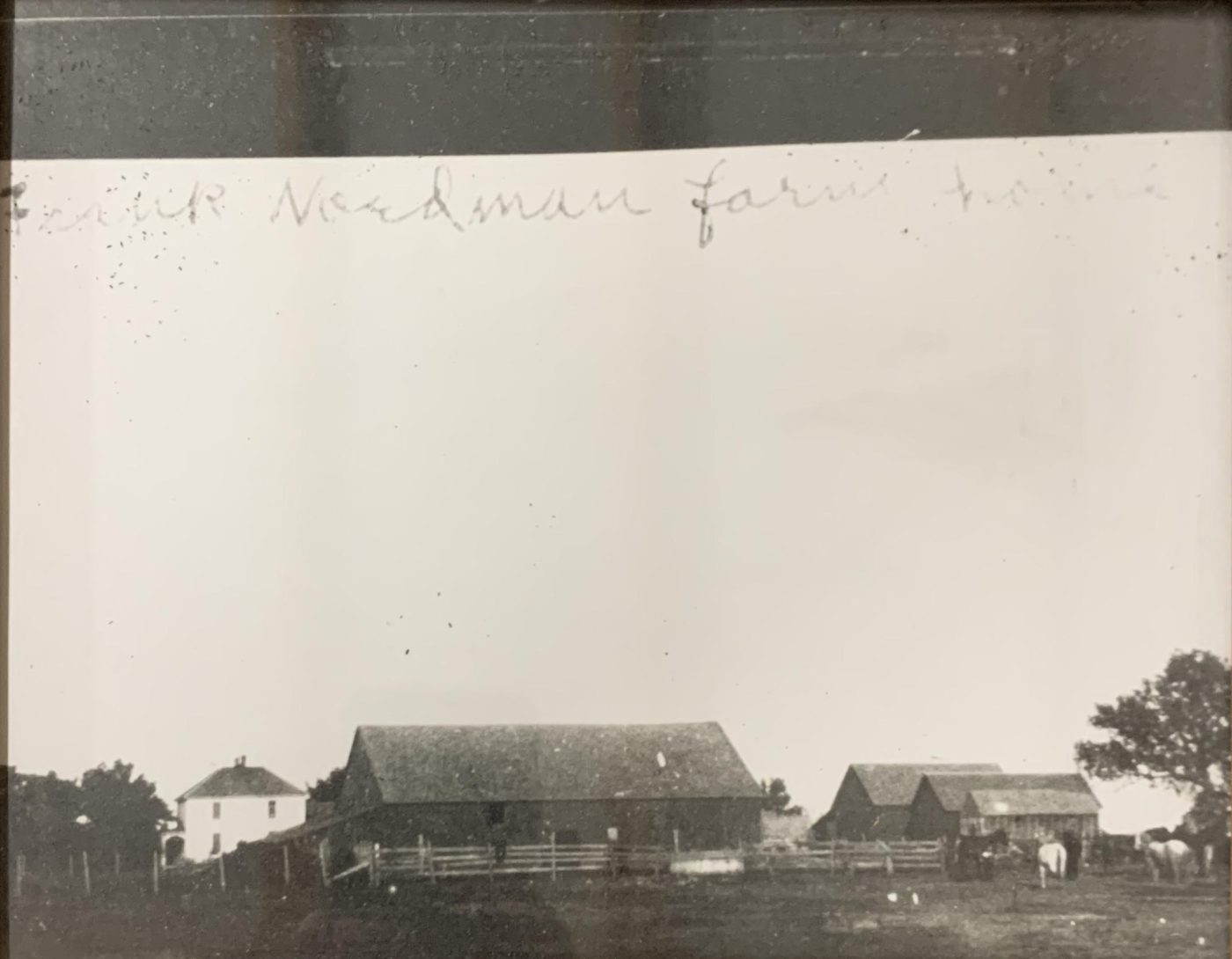
- 1902
Frank Nordman homesteads the family farm in Barton County, Kansas. - 1900s–2010s
Four generations grow wheat and raise the family on the homestead, expanding into Johnson County, Missouri. - 2020
We begin milling our own wheat on a granite stone mill in Holden, Missouri — and selling fresh flour direct to neighbors. - 2021
Baking mixes join the lineup, and our flour lands in Kansas City bakeries and kitchens. - Today
Heritage and ancient grains — Turkey Red, Einkorn, rye, buckwheat — milled in small batches, every bag marked with its mill date.
How we mill
Our grain grows on the original homestead in Barton County, Kansas, and travels two counties east to Holden, Missouri, where we mill and package it. We grind on a granite stone mill — the same technology early American millers used — then sift to the texture each flour calls for.
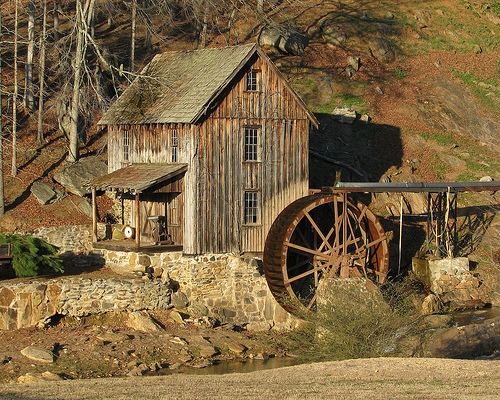
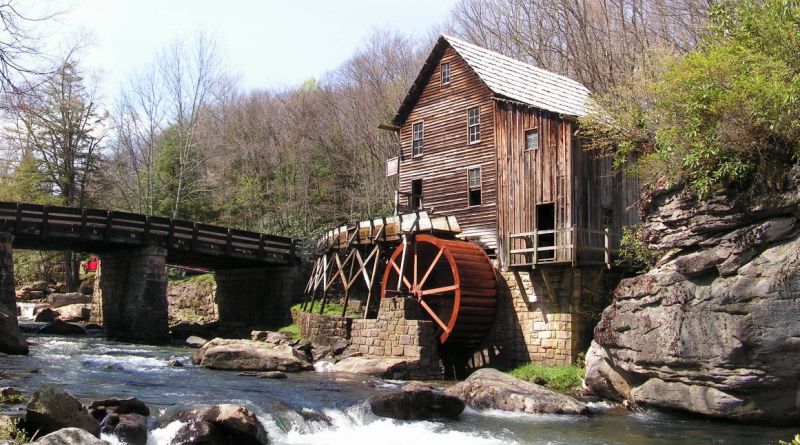
Mills like these ground America's flour for two centuries — slow, cool, and stone on stone. Our granite mill works exactly the same way; only the water wheel got a day off.
There are no additives, no chemicals, and no bleaching agents. Ever. A century ago, flour whitened naturally by sitting in oxygen for a month or two. Industrial milling replaced patience with chemistry. We just went back to doing it the old way — and you can taste the difference in every golden crust.
Why fresh matters
Grocery-store flour has the wheat germ removed so it can sit on a shelf for a year. We mill the whole berry in small batches and date every bag, because flour is a fresh ingredient — like coffee, it's at its best in the weeks after grinding, not the years.
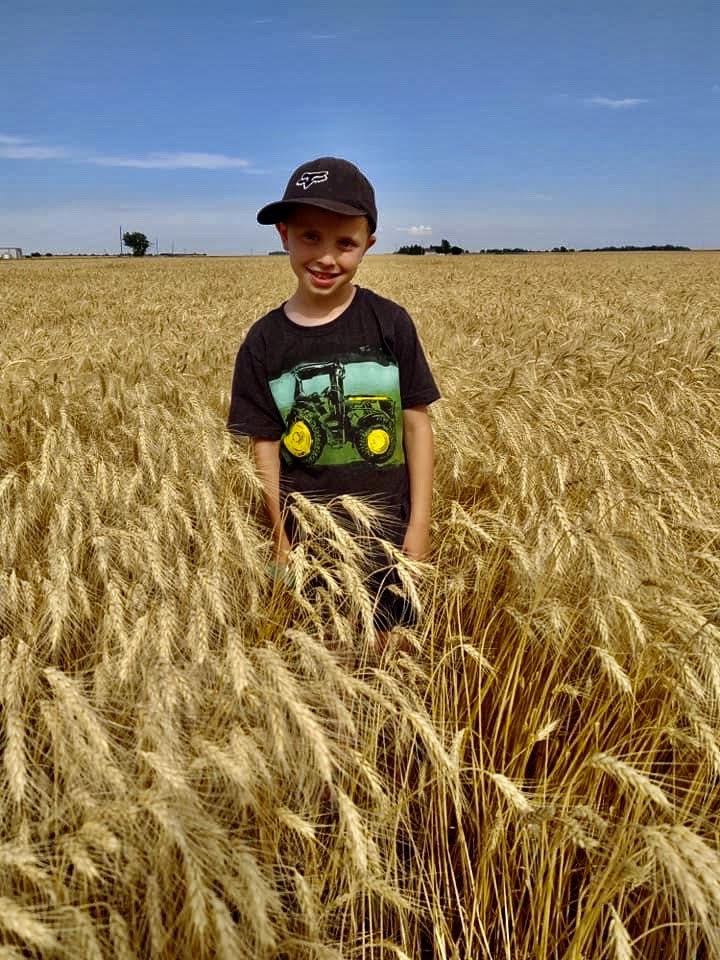
Meet the grains we grow → Browse the photo album: Around the Farm →